
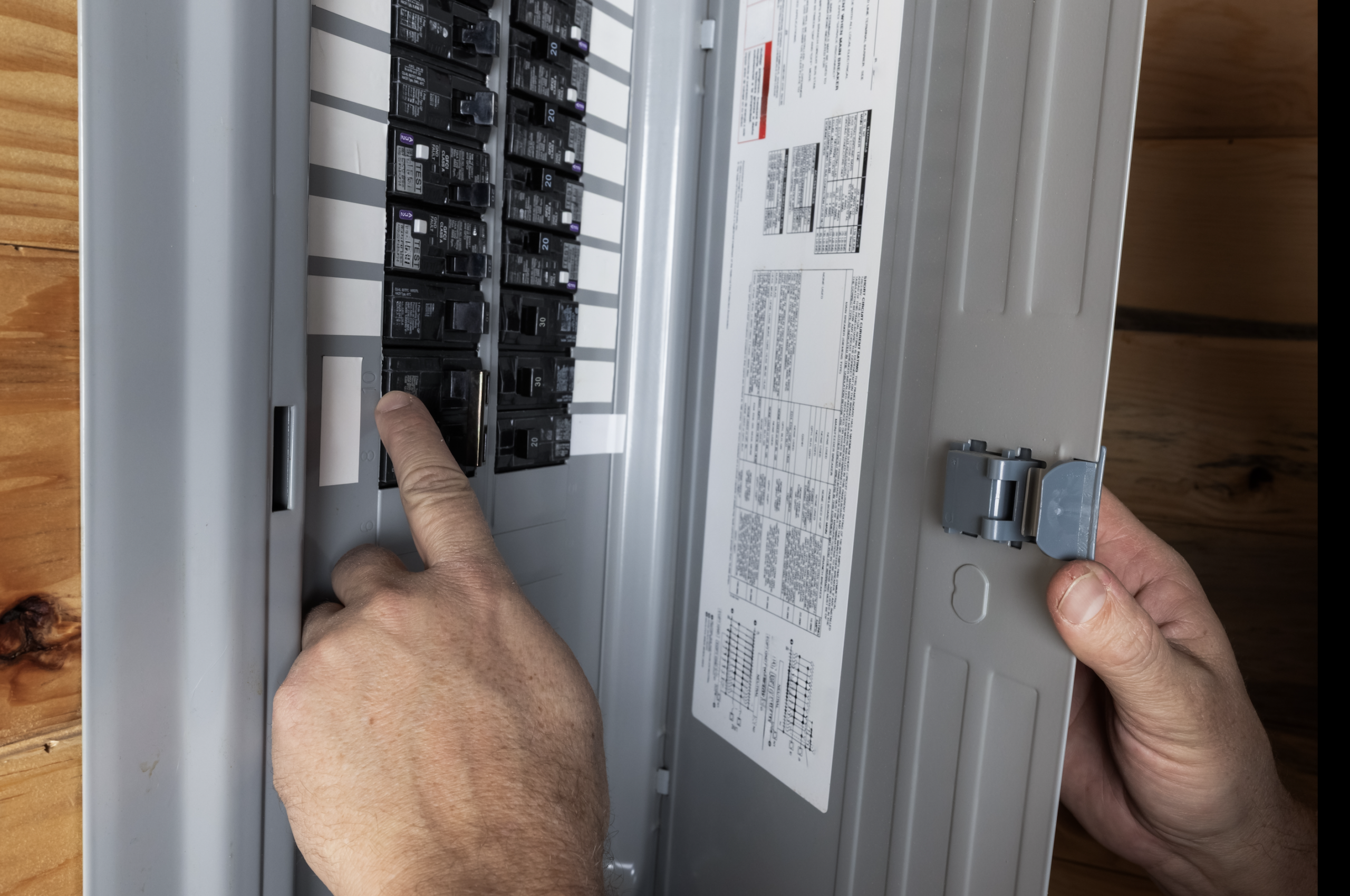
Electrical systems in homes are often treated as “set it and forget it,” but like any mechanical connection, electrical connections can loosen over time. One of the most overlooked maintenance tasks in residential electrical systems is verifying the torque on circuit breaker terminals and other panel connections. Proper torque ensures safe electrical performance, reduces the risk of overheating, and helps prevent electrical fires.
This article explains why torque matters, how it should be checked, and why resources like Code Pro Resources (CodePros.com) can help homeowners and professionals understand best practices.
Circuit breakers connect your home’s wiring to the electrical panel through terminal screws. These screws clamp the conductor securely to ensure a solid electrical connection. If the screw is under-torqued (too loose) or over-torqued (too tight), problems can occur.
A loose connection can cause:
An over-tightened connection can:
Electrical manufacturers specify an exact torque rating, usually in inch-pounds, for each breaker terminal. These specifications ensure the connection is tight enough for safe current flow without damaging the equipment.
The National Electrical Code (NEC) addresses this issue in NEC 110.14(D), which requires that electrical connections be tightened according to the manufacturer’s specified torque values when those values are provided.
This means electricians and technicians should use a calibrated torque screwdriver or torque wrench rather than tightening by feel.
Resources such as CodePros.com provide valuable discussions, training materials, and interpretations of code requirements, helping both electricians and homeowners understand the importance of proper torque and other electrical safety practices.
While breaker torque is not something homeowners typically inspect frequently, certain warning signs may indicate a loose connection:
If any of these symptoms appear, the panel should be inspected promptly by a qualified electrician.
Checking torque safely requires specialized tools and training. The typical process used by electricians includes:
Because the panel may contain live components even when the main breaker is off, this work should generally be performed by a trained professional.
Breaker torque verification is often done:
Some electricians recommend periodic inspection in older homes, particularly where panels may have experienced years of heating and cooling cycles that can gradually loosen connections.
Electrical safety practices evolve as codes and technology change. Industry resources such as Code Pros (CodePros.com) provide articles, discussions, and expert insights into code requirements and practical field applications. These resources can help professionals stay current with NEC updates and best practices related to torque specifications and electrical maintenance.
Checking the torque on breaker terminals is a small detail that plays a big role in electrical safety. Properly tightened connections reduce the risk of overheating, improve system reliability, and ensure compliance with modern electrical codes.
While homeowners should avoid opening electrical panels themselves, understanding the importance of torque checks can help them ask the right questions during electrical inspections or service visits. By relying on qualified electricians and educational resources like CodePros.com, homeowners can help ensure their electrical systems remain safe and reliable for years to come. 
